


Data-driven marketing: A complete guide to making smarter marketing decisions
You’ve probably sat in a meeting where someone pitched a campaign idea based on a hunch.
Prescient Team · 11 min read
You’ve probably sat in a meeting where someone pitched a campaign idea based on a hunch. “I think our customers would love this,” they say, or “This worked at my last company, so it’ll work here.” These gut-driven decisions aren’t inherently bad—experience matters. But in today’s landscape where every click, view, and conversion can be tracked, relying solely on intuition means leaving money on the table. Data driven marketing flips this script entirely, replacing guesswork with concrete evidence about what actually moves the needle for your business.
The shift toward data-driven approaches isn’t just a trend—it’s becoming table stakes for competitive brands. Your customers are generating signals with every interaction, from the emails they open to the products they browse but don’t buy. Meanwhile, your marketing spend is creating measurable outcomes across channels. The question isn’t whether you have data; it’s whether you’re using it effectively to make smarter decisions faster than your competition. This guide breaks down everything you need to know about building a truly data-driven marketing operation, from foundational concepts to practical implementation strategies.
Key takeaways
Data-driven marketing uses customer information, behavioral patterns, and performance metrics to inform marketing decisions rather than relying solely on intuition or assumptions
Successful implementation requires breaking down data silos, investing in proper analytics tools, and building a culture where data insights guide strategy
The biggest benefits include improved ROI, better customer targeting, and the ability to predict which marketing campaigns will perform best
Common challenges involve managing big data effectively, ensuring data quality, and getting marketing teams aligned on how to leverage data
Media mix modeling and predictive analytics are becoming essential tools for understanding true marketing performance across channels
What is data-driven marketing?
Data-driven marketing is an approach where marketers use concrete data to guide their marketing strategy rather than making decisions based on gut feeling alone. At its core, this methodology involves collecting information about customer behavior, analyzing data to understand patterns, and applying those insights to optimize marketing efforts.
Think of traditional marketing as shooting arrows in the dark: you might hit your target occasionally, but you’re mostly guessing. Data-driven marketing turns on the lights. You can see exactly where your target audience is, what they respond to, and how to reach them most effectively.
For digital marketing specifically, this means tracking everything from website visitors and email open rates to social media engagement and paid search performance. But data-driven marketing extends beyond digital channels. The most effective approach combines offline data with online metrics to create a complete picture of the customer journey.
Many marketers struggle with the transition because it requires a fundamental shift in how marketing decisions get made. Instead of the Chief Marketing Officer making calls based purely on experience, the entire marketing department works together to interpret data insights and test hypotheses.
How data-driven marketing differs from traditional approaches
Traditional marketing often relies heavily on demographic data and broad assumptions about how customers behave. A campaign might target “women aged 25-45” without much nuance beyond that basic segmentation.
Data-driven campaigns, on the other hand, dig deeper. They look at behavioral patterns, customer interactions across different channels, and historical performance to create highly specific customer segmentation. Rather than treating all potential customers the same, this approach recognizes that even people in the same demographic may have completely different needs and preferences.
The other major difference? Measurement. While traditional marketing might measure success weeks or months after a campaign launches, data-driven marketing works by continuously monitoring performance and making adjustments in real-time.
How data-driven marketing works
Building a data-driven approach starts with data collection. Marketing teams need to gather information from various aspects of the customer experience—from initial awareness through purchase and beyond.
This data comes from multiple sources:
Website analytics showing which pages visitors view and where they drop off
Customer relationship management (CRM) systems tracking individual customer interactions
Sales data revealing what products sell best and when
Social media metrics indicating which content resonates
Email marketing performance showing open rates and click-throughs
Paid ads results demonstrating which creative and targeting drives conversions
Once collected, the relevant data gets analyzed to identify trends and opportunities. Modern marketing increasingly relies on artificial intelligence and machine learning to process big data at scale. These tools can spot patterns that would take humans weeks to uncover.
Predictive analytics takes this further by using historical data to forecast future performance. Instead of just understanding what happened in past marketing campaigns, marketers can now estimate how future campaigns will perform before spending a dollar more.
The final step involves turning data analysis into actionable insights. This is where many companies stumble—they have robust data but struggle to translate it into concrete marketing activities. The key is asking the right questions: Which marketing channel drives the most value? What customer segments are most profitable? How can we optimize marketing spend across platforms?
The technology stack behind data-driven marketing
Most companies now use sophisticated tools to collect data and analyze data effectively. The technology stack typically includes:
Analytics platforms: Tools that track website visitors, user behavior, and conversion paths across digital marketing channels.
Customer data platforms: Systems that unify customer data from various sources, breaking down data silos that prevent teams from seeing the full picture.
Marketing automation: Software that helps marketing teams execute data-driven campaigns at scale, delivering personalized messaging based on customer behavior.
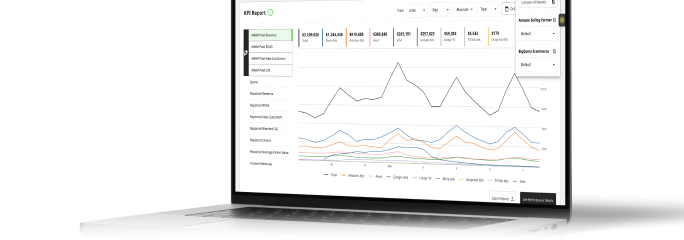
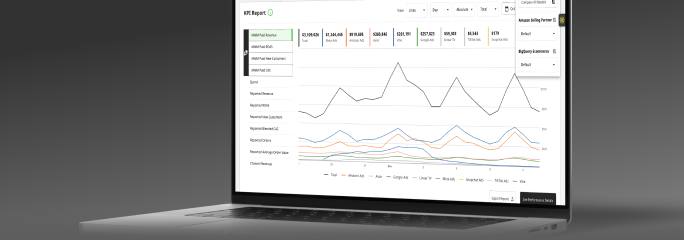
Business intelligence tools: Dashboards that visualize marketing performance and business performance metrics, making it easier for marketing leaders to spot new trends and opportunities.
The most successful organizations don’t just implement these tools and move on. They ensure their marketing department knows how to leverage data effectively and that data flows smoothly between systems.
The benefits of data-driven marketing
The advantages of adopting a data-driven strategy extend well beyond just having better numbers to report in meetings.
Improved ROI and marketing efficiency
When you know which marketing efforts actually drive results, you stop wasting budget on underperforming channels. Data-driven marketing allows you to allocate marketing spend where it generates the best returns. Rather than spreading budget evenly across all channels, you can invest more heavily in the most efficient channels while scaling back on areas that don’t deliver.
This optimization happens continuously. As new data comes in, you adjust. A campaign that worked last quarter might need refreshing. A channel that seemed saturated might have new opportunities. This agile marketing approach keeps you ahead of competitors who make slower, less informed decisions.
Better understanding of customer needs
Big data reveals things about consumer behavior that surveys and focus groups never could. You can see exactly how customers behave in real situations rather than how they say they’d behave.
This deeper understanding transforms the customer experience. Instead of showing the same product to everyone, you can tailor recommendations based on individual preferences and past behavior. Many consumers now expect this level of personalization—generic marketing feels increasingly outdated.
Customer segmentation becomes far more sophisticated with access to behavioral data. Rather than broad categories, you can identify profitable segments based on actual purchase patterns and lifetime value. This precision helps you avoid the trap of marketing the same product the same way to everyone.
Faster decision-making
In traditional marketing, testing a new approach might take months. You’d launch a campaign, wait for results, analyze what happened, then plan your next move. Data-driven marketing compresses this timeline dramatically.
With real-time analytics, you can see almost immediately whether something’s working. A/B tests that once took weeks can now run for days. This speed matters enormously in competitive markets where being first with a new approach can mean capturing significant market share.
Marketing decisions happen faster because there’s less debate. When the data clearly shows what’s working, teams spend less time arguing about opinions and more time executing. This doesn’t mean data makes every decision obvious, but it does provide a common framework for discussion.
Enhanced predictive capabilities
Perhaps the most powerful benefit of data-driven marketing is the ability to predict future outcomes with increasing accuracy. Predictive analytics can forecast which customer segments are most likely to convert, which products will trend next season, and which marketing activities will deliver the highest returns.
This predictive power transforms planning. Instead of reacting to what happened last month, you can proactively adjust marketing strategy based on what’s likely to happen next month. While predictions aren’t perfect, they’re dramatically better than guessing.
The most common challenges in data-driven marketing
Despite its clear benefits, implementing data-driven marketing does have obstacles. Understanding these challenges helps you prepare for and overcome them.
Breaking down data silos
One of the biggest barriers many marketers face is fragmented data. Customer information lives in the CRM. Sales data sits in a separate system. Website analytics exist in yet another platform. Social media metrics are tracked independently. Email marketing has its own dashboard.
These data silos prevent you from seeing the complete customer journey. A customer might interact with your brand across multiple channels before purchasing, but if those touchpoints aren’t connected, you can’t understand what actually drove the conversion.
Breaking down silos requires both technology solutions and organizational changes. On the tech side, you need systems that can unify customer data from various sources and provide actionable insights. Organizationally, different teams need to agree on data standards and share information freely rather than hoarding it.
Ensuring data quality and relevance
Not all data is equally valuable. In fact, bad data can be worse than no data at all—it leads to misguided marketing decisions that waste resources.
The challenge is maintaining data quality at scale. As you collect data from different channels, errors creep in. Records get duplicated. Information becomes outdated.
Cleaning and maintaining customer data requires ongoing effort. You need processes to identify and merge duplicate records, verify information accuracy, and remove outdated details. Many companies underestimate this work when first adopting data-driven approaches.
Building data literacy across teams
Having available data doesn’t help if your marketing teams can’t interpret it correctly. A common challenge is the gap between data scientists who understand analytics deeply and marketers who understand customer psychology but struggle with complex statistical concepts.
The solution isn’t turning every marketer into a data scientist. Instead, organizations need to build enough data literacy that marketing teams can ask good questions, interpret basic reports, and know when to bring in analytical expertise for deeper analysis. Having the right solutions helps a lot. Prescient is built by a team of data scientists and experienced marketers to combine the most rigorous statistical analysis with dashboards that are easy to navigate for marketers who need answers fast.
Managing big data effectively
The sheer volume of available data can be overwhelming. Every customer interaction generates data points. Every campaign produces metrics.
How big data should be managed becomes a critical question. Storing everything is expensive and often unnecessary. But deleting data you might need later is risky. Finding the right balance requires understanding what information actually drives better marketing performance versus what’s just noise.
This is where tools like media mix modeling become valuable—they help cut through the noise to identify which factors truly matter for business performance.
How to build a data-driven marketing strategy
Creating an effective data-driven marketing strategy requires more than just buying analytics tools and declaring “we’re data-driven now.” It demands systematic planning and organizational commitment.
Start with clear objectives
Before collecting anything, define what you want to achieve. Are you trying to reduce customer acquisition costs? Improve retention? Increase average order value?
Your objectives determine what data you need and how you should analyze data. If you’re focused on retention, you’ll prioritize customer data showing repeat purchase patterns. For acquisition, you’ll emphasize top-of-funnel metrics and channel performance.
Clear objectives also help you avoid the trap of tracking everything just because you can. Many marketers drown in metrics that don’t actually inform key marketing decisions. Start with your goals, then work backward to identify the specific data insights that will help you reach them.
Audit your current data collection
Most organizations already have more data than they realize—it’s just scattered across different systems. Before investing in new tools, assess what you currently collect data from:
What sources are you already tracking?
How is information currently stored?
What gaps exist in your understanding of the customer journey?
Where do data silos prevent you from connecting the dots?
This audit often reveals quick wins. Maybe your sales team tracks customer interactions that your marketing team never sees. Perhaps your customer service department has valuable feedback that could inform campaign messaging. Sometimes the biggest improvements come from better using existing information rather than collecting more.
Invest in the right technology
Based on your objectives and current state, identify what technology you need. This might include:
Analytics platforms that track user behavior across your digital properties and show which marketing campaigns drive the most engagement.
Customer data platforms that unify information from different channels, giving you a single view of each customer’s interactions with your brand.
Marketing automation tools that can execute data-driven campaigns based on customer behavior triggers and segmentation rules.
Predictive analytics capabilities that forecast future performance and identify opportunities before competitors spot them, like Prescient AI.
For ecommerce and retail businesses, understanding how different marketing channels contribute to both online and offline sales becomes critical. This is where specialized solutions come into play.
Build cross-functional alignment
Data-driven marketing requires collaboration between teams that traditionally operated independently. Your marketing team needs access to sales data. Customer service insights should inform campaign messaging. Product teams should understand what marketing activities drive adoption.
This alignment doesn’t happen automatically. It requires:
Regular meetings where teams share data insights and discuss implications
Shared dashboards that give everyone visibility into key metrics
Common definitions for important terms (what counts as a “conversion”? how do you define “engagement”?)
Executive sponsorship that reinforces the importance of data sharing
When alignment exists, the whole organization becomes smarter. Marketing learns from sales conversations. Product development incorporates customer feedback. Customer service anticipates issues before they escalate.
Where Prescient comes in
Building a truly data-driven marketing strategy requires not just collecting data, but understanding how all your marketing efforts work together over time. This is where many organizations struggle. They have plenty of analytics but lack a comprehensive view of what’s actually driving results.
Prescient’s approach addresses these limitations through marketing mix modeling that captures the complete impact of your marketing activities across all channels. Rather than relying on cookie-based tracking (which becomes less reliable as privacy regulations evolve), we delve into the statistical relationships between your marketing spend and business outcomes.
This means you can:
Understand how top-of-funnel brand building affects bottom-of-funnel conversions
See the true impact of campaigns that don’t drive immediate clicks but influence purchase decisions weeks later
Account for factors beyond marketing (like seasonality and competitive activity) that affect performance
Predict how budget changes would impact results before you make them
The platform delivers daily insights at the campaign level—far more granular and timely than traditional approaches. This allows for the kind of agile marketing that data-driven strategies demand. You can identify what’s working quickly and adjust course before wasting significant budget.
Perhaps most importantly, Prescient helps you make data-based decisions with confidence. Rather than choosing between conflicting reports from different platforms (each claiming credit for the same conversion), you get an unbiased view of what’s actually driving growth. This clarity transforms how marketing teams operate, replacing endless debates about attribution with productive discussions about optimization. If that sounds like what your team needs, book a demo and let’s chat.
Data-driven marketing FAQs
What is a data-driven marketing strategy?
A data-driven marketing strategy is an approach where marketing decisions are guided by analyzing customer data, campaign performance metrics, and behavioral patterns rather than intuition alone. This strategy relies on collecting relevant data from multiple sources, analyzing it to uncover insights, and using those findings to optimize marketing efforts continuously.
What is data driven marketing?
Data driven marketing is the practice of using customer information, behavioral analytics, and performance metrics to inform how you reach and engage your target audience. It involves systematically collecting data about customer interactions, analyzing that information to identify patterns, and applying insights to improve marketing campaigns and overall marketing performance.
What is the 3 3 3 rule in marketing?
The 3 3 3 rule in marketing suggests that effective campaigns should follow three key principles: focus on three main messages, reach audiences through three different channels, and measure three critical metrics. This framework helps marketers avoid overwhelming customers while ensuring messages get reinforced across multiple touchpoints without spreading efforts too thin.
What is another word for data driven marketing?
Other terms for data driven marketing include “analytics-driven marketing,” “insight-driven marketing,” “data-informed marketing,” or “evidence-based marketing.” All these phrases refer to the same core concept of using concrete data and measurable results to guide marketing strategy rather than relying primarily on assumptions or past practices.
The Halo
Exclusive insights, every week.
Subscribe to The Halo for sharper marketing thinking.
You're subscribed to The Halo!
Quick question (optional): How familiar are you with MMM?
Thanks for sharing! Enjoy The Halo.
Keep reading
View all
How effective is direct mail marketing? What the numbers show and what they miss
Read article
How to actually optimize your ad spend (not just cut waste)
Read article
How to plan a multi-channel marketing campaign that actually works together
Read article
A marketer's practical guide to integrated marketing campaigns
Read article
The real advantages of market segmentation, and how to prove they're working
Read article
How to allocate marketing budget across channels
Read article