



Types of segmentation in marketing: a complete guide
You walk into a grocery store where every aisle is labeled “Food” and every product sits in random order.
Prescient Team · 9 min read
You walk into a grocery store where every aisle is labeled “Food” and every product sits in random order. Cereal next to dish soap, baby formula beside energy drinks, organic produce mixed with frozen pizza. If such a nightmare were possible, you’d waste hours searching for what you need, and the store would have no idea which products to stock more of or where to place them for maximum sales.
That’s exactly what happens when businesses treat all customers the same. Without segmentation, you’re shouting the same message at everyone and hoping something sticks. You’re spending marketing budget on people who’ll never buy while under-investing in your best potential customers. You’re creating one-size-fits-all campaigns that resonate with no one.
The most impactful marketing teams know how to organize their customer base into meaningful groups. Yes, that comes down to understanding the types of segmentation in marketing but also how platforms like Prescient AI help you measure which segments actually drive growth.
Key takeaways
Market segmentation divides your customer base into distinct groups based on shared characteristics, making it possible for more targeted marketing campaigns and efficient budget allocation.
The four main types of market segmentation are demographic, geographic, psychographic, and behavioral, each offering different lenses for understanding your target audience.
Specialized segmentation models like firmographic segmentation, technographic segmentation, and benefit-based approaches help businesses gain deeper insights into specific customer segments.
A strong market segmentation process improves customer satisfaction, increases customer loyalty, and delivers better marketing ROI by focusing resources on high value customers.
Modern measurement platforms reveal which segments actually respond to marketing efforts and drive long-term value, not just which ones convert easily.
What segmentation is in marketing
Market segmentation is the practice of dividing your entire market into distinct groups based on shared characteristics so you can tailor your marketing strategies to each group’s specific needs. Instead of treating your customer base as a homogeneous mass, segmentation recognizes that different people want different things, respond to different messages, and have different value to your business.
This approach makes it possible for personalized marketing that actually resonates. When you understand that one segment cares about price while another prioritizes quality, you can craft marketing messages that speak to what each group actually values. When you know that certain customer segments prefer email while others respond to social media, you can reach them through the right channels without wasting budget on tactics that won’t work.
Market segmentation helps businesses allocate resources strategically rather than spreading marketing efforts thin across everyone. By identifying high value customers and understanding what makes them different from other market segments, you can focus investment where it’ll generate the strongest returns. This isn’t about excluding people from your marketing. It’s about recognizing differences so you can serve each group more effectively.
How segmentation is used in marketing
Understanding what market segmentation is matters most when you see how it shapes actual marketing strategies. Here’s how businesses apply segmentation in practice:
Targeting the right people with relevant messages instead of generic campaigns that try to appeal to everyone and end up resonating with no one.
Personalizing email campaigns based on customer preferences, purchase history, and engagement patterns rather than sending identical messages to your entire list.
Creating customer personas that guide product development, positioning, and messaging by giving teams a clear picture of who they’re serving.
Optimizing budget allocation by identifying which customer segments deliver the best marketing ROI and directing more resources toward those groups.
Developing tailored content that addresses specific pain points, interests, and questions for different segments rather than producing generic content.
Finding new growth opportunities by spotting underserved market segments where your product could meet unmet needs.
Improving customer retention by understanding what different groups need to stay satisfied and loyal over time.
Making smarter product decisions by knowing which features matter most to which segments and where to focus development efforts.
The 4 main types of segmentation
Marketers traditionally organize customer segmentation into four core categories that each reveal different aspects of who your customers are and what drives their decisions. Most effective segmentation strategies combine multiple types rather than relying on just one lens. Understanding these foundational types of market segmentation helps you build more sophisticated frameworks that actually capture the diversity in your customer base.
Each type answers different questions about your market segments. Some tell you who people are, others reveal where they live, some explain why they make choices, and others show what they actually do. Together, these perspectives create a fuller picture than any single approach could provide.
Demographic segmentation divides audiences based on statistical characteristics like age, gender, income, education level, occupation, marital status, and family size. This is often the starting point for market segmentation because demographic data is relatively easy to collect through customer surveys, website analytics, and customer relationship management systems. Age, gender, income level differences predict purchase behavior across many product categories, making demographic segmentation one of the most widely used segmentation methods.
Geographic segmentation groups customers based on physical location including country, region, state, city, climate zone, or urban versus rural setting. Where people live influences their needs, preferences, buying power, and cultural context. A segmentation strategy that ignores geographic factors might promote winter coats equally in Alaska and Arizona, wasting budget on irrelevant targeting. Geographic segmentation helps marketing teams adapt products, pricing, and promotions to local conditions.
Psychographic segmentation categorizes audiences by lifestyle, values, interests, attitudes, personality traits, and social class. This type goes deeper than demographic data to understand why people make decisions and what motivates their behavior. Psychographic data reveals that two people with identical demographics might have completely different priorities, one focused on sustainability while the other values convenience above all else.
Behavioral segmentation separates customers based on actions they take, including purchase history, usage patterns, brand loyalty, benefits sought, buying stage, and engagement level. Behavioral data reveals what people actually do rather than just who they are or what they say they want. This segmentation model often predicts future behavior better than demographic or psychographic approaches because past purchasing behavior strongly indicates future patterns.
Other important types of segmentation
Beyond the four traditional categories, marketing teams have developed more specialized types of segmentation that address specific business contexts or dig deeper into customer motivations. These approaches often overlap with or refine the foundational types. As before, the right segmentation strategy depends on your industry, business model, and what customer data you can actually access and use.
These specialized segmentation models help businesses group customers in ways that might cut across traditional demographic or geographic lines. Sometimes the most valuable insights come from segmentation research that looks at factors the standard four types miss entirely.
Firmographic segmentation is used primarily in B2B marketing to segment customers based on company characteristics rather than individual traits. This includes company size, industry, revenue, location, number of employees, organizational structure, and growth stage. Think of firmographic segmentation as demographic segmentation applied to businesses instead of consumers. A software company might target enterprise clients differently than small businesses even if the individual buyers have similar demographic profiles.
Technographic segmentation groups audiences based on technology usage, adoption patterns, software preferences, device types, and technical sophistication. This matters increasingly as digital behavior becomes more diverse and as technology choices signal other preferences and capabilities. Customers using advanced analytics tools probably need different marketing messages than those still working with spreadsheets, even if they’re in the same industry.
Generational and lifecycle segmentation divides customers by generation (Gen Z, Millennials, Gen X, Boomers) or life stage (college student, new parent, empty nester, retiree). Note that lifecycle in this context refers to life stage rather than where someone sits in the customer journey from prospect to loyal customer. These categories blend demographic and psychographic elements by recognizing that people in similar life phases often share values, challenges, and priorities. A 25-year-old and a 65-year-old might both have high incomes, but their spending priorities differ dramatically based on lifecycle stage.
Needs-based and benefit segmentation organizes audiences around the specific problems they’re trying to solve or benefits they seek from a product category. This approach cuts across demographics to group people by what they actually want to achieve, which can be more predictive than who they are. In the car market, one segment prioritizes safety while another wants performance, regardless of age or income.
The benefits of marketing segmentation
Market segmentation helps businesses use resources more efficiently by directing marketing efforts toward the customer segments most likely to respond and convert. Instead of spreading budget evenly across your entire customer base, you can invest more heavily in high value customers while spending less on segments that rarely buy or have low customer lifetime value. This targeted approach, when done well, typically delivers higher conversion rates because marketing messages speak directly to what specific groups actually care about.
Better segmentation also improves customer satisfaction by creating more personalized customer experiences. When people receive relevant product recommendations, see ads for things they might actually want, and get content that addresses their specific situation, they engage more positively with your brand. This relevance builds customer loyalty over time as people recognize that you understand their needs rather than treating them like everyone else.
A strong market segmentation process creates competitive advantages that compound over time. When you own specific market segments through deep understanding of their needs, competitors struggle to pull those customers away, even with lower prices. You can develop products tailored to under-served segments, opening up new markets that others overlook. Your marketing teams make better strategic decisions about which segments to prioritize, which new markets to enter, and where to focus innovation efforts.
The financial benefits show up clearly in marketing ROI. By measuring performance across different segments, you can identify which groups generate the most revenue relative to acquisition cost. You can improve customer retention in your most valuable segments through targeted programs. You can use customer data to predict which potential customers will become loyal repeat buyers versus one-time purchasers. All of this creates a tighter connection between marketing investment and business outcomes.
How Prescient AI enhances segmentation strategy
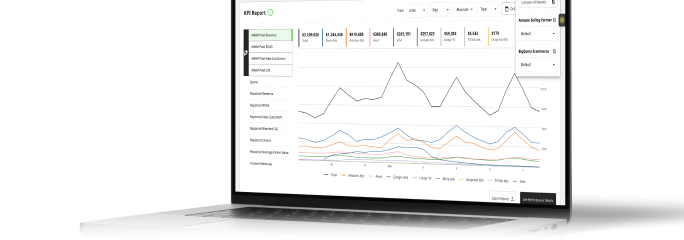
Understanding true campaign performance through marketing mix modeling prevents wasting budget on tactics that look good in traditional reporting but don’t actually drive incremental growth. Prescient shows campaign-specific saturation curves that reveal when additional investment will drive results versus when you’re better off reallocating to different campaigns. The platform also captures halo effects where one campaign influences behavior beyond its direct conversions, connections that traditional segmentation research overlooks.
When you combine thoughtful market segmentation with accurate measurement of campaign performance, you create a powerful advantage. You know who your best customers are, what messages resonate with each group through segment-focused campaigns, and which marketing strategies actually drive results versus which ones just correlate with conversions that were already going to happen.Book a demo to see how Prescient AI helps you measure campaign performance accurately and allocate budget to tactics that truly drive growth.
Types of segmentation FAQs
What are the 4 main types of segmentation?
The four foundational types of market segmentation are demographic, geographic, psychographic, and behavioral. Demographic segmentation groups customers by characteristics like age, gender, income, and marital status. Geographic segmentation divides markets by location. Psychographic segmentation focuses on lifestyle, values, and interests. Behavioral segmentation looks at actions like purchasing behavior and brand loyalty. Most businesses use multiple types together for a complete customer segmentation strategy.
What is the difference between demographic and psychographic segmentation?
Demographic segmentation uses factual, measurable characteristics like age, gender, income level, and marital status that you can collect through forms and data points. Psychographic segmentation goes deeper into why people make decisions by examining values, lifestyle choices, interests, and attitudes that require more in-depth market research like focus groups and surveys. Two people might share identical demographic profiles but have completely different psychographic characteristics that make them respond to totally different marketing messages.
Which type of segmentation is most effective?
No single segmentation model works best for every business. Behavioral segmentation often predicts purchasing behavior most accurately because it’s based on what customers actually do rather than assumed preferences. However, combining multiple types of segmentation typically delivers better results than relying on any one approach alone. A strong market segmentation strategy might start with demographic data for basic grouping, add geographic segmentation for local relevance, layer in psychographic data for messaging, and use behavioral patterns to identify high value customers and increase customer loyalty.
How many segments should a business have?
The right number of customer segments depends on your customer base size, resources, and ability to create tailored marketing strategies for each group. Too few segments and you miss important differences that could improve customer satisfaction. Too many segments and you spread marketing efforts too thin without enough scale to matter. Most businesses find that 3-7 meaningful segments provide enough specificity to group customers effectively without creating unmanageable complexity. Start with broader market segments and refine them as you gain deeper insights into your target market.
Can you use multiple segmentation types together?
Absolutely, and you should. Combining different types of market segmentation creates much richer customer segments than any single approach. You might use demographic segmentation to identify age groups, then apply behavioral segmentation to separate loyal repeat buyers from occasional purchasers within each age group, then add psychographic segmentation to understand what motivates each resulting segment. This multi-layered approach helps you segment customers in ways that capture real world complexity and create products, pricing, and campaigns that resonate with specific market segments rather than broad market averages.
The Halo
Exclusive insights, every week.
Subscribe to The Halo for sharper marketing thinking.
You're subscribed to The Halo!
Quick question (optional): How familiar are you with MMM?
Thanks for sharing! Enjoy The Halo.
Keep reading
View all
Funnel strategy for digital marketing: How to build one where every stage earns its budget
Read article
How to improve direct mail response rates (& count the responses you're missing)
Read article
How effective is direct mail marketing? What the numbers show and what they miss
Read article
Top of funnel vs bottom of funnel: How they differ and how to balance your budget
Read article
Modern marketers need to be doing marketing scenario planning
Read article
How to actually optimize your ad spend (not just cut waste)
Read article