


How retargeting pixels work and what they can't tell you
Learn how retargeting pixels work, how to set one up, and where pixel-based retargeting falls short (+ what helps your measurement) before you spend more on ads.
Linnea Zielinski · 9 min read

A bookmark doesn't know who you are or why you set the book down. It just holds your place so you can pick up where you left off. A retargeting pixel does something similar for your website. This tracking code marks what visitors looked at, so an ad platform can nudge them back with retargeting ads after they wander off.
That bookmark only helps if it stays where you put it. Browser limits, privacy tools, and consent rules keep sliding it out of place, and the ads built on top of it can look better or worse than they really are. Knowing how a retargeting pixel works, and where pixel tracking stops being reliable, helps marketers spend their budget with their eyes open.
Key Takeaways
- A retargeting pixel is a small piece of code that tracks what website visitors do, so ad platforms can show those users retargeting ads later.
- Pixels follow browsers, not people, so the same person on a phone and a laptop looks like two visitors.
- Ad platforms each have their own pixel, like the Meta Pixel, Google tag, and LinkedIn Insight Tag, and each one only feeds its own platform.
- Sorting visitors by behavior, like browsing versus abandoning a cart, makes retargeting campaigns more relevant.
- Ad blockers, cleared cookies, and consent choices all shrink what a pixel can see, and it can't see in-store purchases at all.
- Platform-reported ROAS for retargeting ads often looks great because they reach people who were already likely to buy.
- Judging retargeting fairly takes more than one platform's numbers, like modeled measurement that doesn't need a pixel.
What is a retargeting pixel?
Before getting into setup and strategy, it helps to pin down what the term means, since it gets mixed up with a few related ones.
A retargeting pixel is a small piece of code you add to your website. It handles the tracking, noting what visitors do on your website, then lets an ad platform show those users your retargeting ads on other sites and apps. Because these users have already shown interest in your brand, you can target them with display ads and social ads that feel relevant instead of cold. That's the core of pixel-based retargeting, and it works the same way across platforms like Meta, Google, and LinkedIn.
One point trips people up. A pixel tracks a browser, not a person. It doesn't know a visitor's name or email, and it can't work out who someone is after they clear their cookies.
Pixel, cookie, and tag: What's the difference?
People use these three words interchangeably, but each does a different job.
- Pixel: The retargeting pixel code runs when someone loads a page and reports what happened.
- Cookie: A small file saved in the visitor's browser that carries an anonymous ID, so platforms can recognize those users later.
- Tag: The container that holds and fires the pixel, usually managed through Google Tag Manager (GTM).
Tracking pixels vs. retargeting pixels
The two terms overlap, but they aren't interchangeable. "Tracking pixel" is the umbrella for any pixel that reports on visitor activity, like website analytics or conversion tracking. A retargeting pixel is a tracking pixel with one extra job: feeding audiences so you can show those visitors ads later. Many ad pixels, including the Meta Pixel, do both at once from the same code.
Retargeting vs. remarketing
Most marketers treat the two words as synonyms. Google's version is called remarketing, and it uses remarketing lists. Otherwise, retargeting tends to mean ads triggered by a pixel, while list-based retargeting means ads shown to a customer email list you upload.
How retargeting pixels work
The whole process comes down to five steps, and most of it happens in seconds.
- The visit. A user lands on your website, often on a landing page, product page, or pricing page.
- The cookie. The retargeting pixel drops an anonymous cookie in their browser.
- The events. As they click around, the pixel sends standard events, like viewing a product, adding to cart, or buying, back to the platform. Each purchase counts as a conversion.
- The audience. The platform adds that browser to a custom audience based on those events.
- The ads. When they browse other sites or social feeds, the platform recognizes the cookie and serves your ads.
What a pixel collects
Standard events are where retargeting pixels work hardest. They let you split visitors into audience segments based on visitor behavior, then match your ads to what each group cares about. The same events help you track conversions across your website and see which ads drove those conversions. Here's an example of how the segments can look:
| What the visitor did | Audience segment | Ad approach |
| Read a blog post or visited the homepage | Website visitors | Light touch, brand awareness |
| Viewed specific products or a pricing page | Product viewers | Show the exact products they looked at |
| Added to cart but didn't purchase | High intent users | Remind them, with a reason to finish |
| Purchased | Customers | Exclude from these ads, or promote something new |
Common retargeting pixels by platform
Most major ad platforms have their own version, and they don't share data with each other. Here are the ones marketers run into most:
| Platform | Pixel | Where your ads show |
| Meta | Meta Pixel (formerly the Facebook pixel) | Facebook and Instagram ads |
| Google tag | Google Ads campaigns across Search, the Google Display Network, and YouTube | |
| LinkedIn Insight Tag | LinkedIn, with B2B targeting by professional data | |
| TikTok | TikTok Pixel | TikTok |
Not every platform offers one. If you run campaigns on several platforms, you'll end up with multiple pixels on the same site, and that's normal because each only feeds its own platform. Meta also offers a Conversions API—which uses server-side tracking to send events from your server instead of the visitor's browser—and it works alongside the pixel. Because those events skip the browser, ad blockers and cookie limits have less effect on them. Google's tag also feeds remarketing lists, so your Google ads can reach past visitors. Older guides still say Facebook pixel, but it's the same tool, and Facebook ads still run off it.
How to set up a retargeting pixel
Setup takes less time than most people expect, especially through GTM. Here's the short version:
- Create the retargeting pixel in your ad platform and choose a pixel name you'll recognize later.
- Copy the base code.
- In GTM, create a new tag, paste the code, set it to fire on all pages, and click save.
- Add standard events for the actions that matter, like product views, add to cart, and purchases, so you can track conversions.
- Test it with the platform's checker, like Meta Pixel Helper or Google Tag Assistant, to confirm it fires on every page of your site, including your landing page.
- Create a custom audience for each segment once the pixel starts to collect data, then build ads for it.
Get your consent banner in place first, since it can decide whether the pixel fires at all. It's also worth auditing your setup now and then, because multiple pixels can slow your page down.
Ways to get more from retargeting campaigns
Setup gets the data flowing, but strategy decides whether your ads earn their keep. A few habits help retargeting work harder and keep optimizing your campaigns over time:
- Set membership windows. Decide how long people stay in an audience. Meta allows up to 180 days, but shorter windows suit campaigns built around quick purchases.
- Exclude buyers. Nobody wants ads for something they bought yesterday, and existing customers need a different message across all your campaigns.
- Cap frequency. Limit how often each custom audience sees the same ad, since ten views a week wears out the value of a warm lead.
- Refresh your creative. Create new images and copy before the audience gets tired of them.
- Match the landing page. Send someone who viewed a product back to that product, not the homepage, so they're more likely to convert.
Where retargeting pixels fall short
Pixels are useful, but their view of your customers has real gaps. Some are technical, some legal, and one comes from how the results get reported.
Blockers, cleared cookies, and the real world
Ad blockers and other privacy tools can stop a pixel from firing, and browsers like Safari limit how long some cookies last. Many users also opt out of tracking entirely. That leaves gaps in user tracking, because when someone clears their cookies, the pixel loses track of that browser until it comes back. A pixel also can't see what happens in the real world, like a store purchase after someone saw your ads. For omnichannel brands, that's a big blind spot. Server-side tools and list-based retargeting help fill some of the gaps in pixel-based retargeting, but they don't close all of them.
Privacy and consent
Consent rules add another layer. In some regions, a pixel can't fire until users opt in to tracking, so part of your website traffic never makes it into an audience. The rules vary by location and keep changing, so it's worth checking with legal counsel. (We also have guides for several states, like California, Colorado, Texas, and Virginia.)
Why the numbers look better than they are
Retargeting ads go to warm leads, users who already visited your site and might have bought anyway. That's why platform-reported ROAS for retargeting tends to look so strong. A lot of the credit really belongs to whatever brought those visitors in the first place, since prospecting campaigns build the interest and retargeting collects the sale. Platforms also count conversions on their own, so two of them can claim credit for the same conversion.
How to tell if your retargeting is working
No single number tells the whole story, so it helps to compare a few methods side by side.
| Method | Good for | Keep in mind |
| Platform-reported results | A fast, campaign-level view | Platforms grade their own work and can double count conversions |
| Your own sales data | A check on whether platform-reported conversions match real orders | Shows what sold, but not which ads deserve the credit |
| Modeled measurement (marketing mix modeling, or MMM) | A whole-picture view from spend, impressions, and revenue, with no pixel | Looks at trends across channels, not individual clicks |
Using more than one of these together gives you the fairest picture of what your retargeting is really worth.
Where Prescient comes in
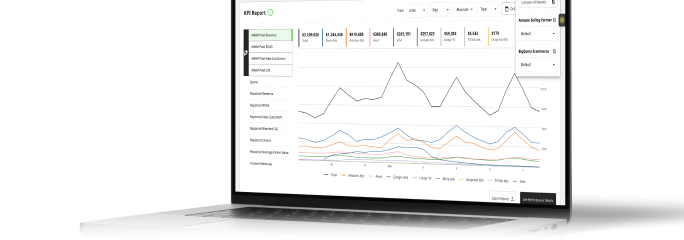
Prescient measures your marketing tactics, including retargeting campaigns, so you can see how they perform right alongside your prospecting. There's no pixel involved. We model your first-party data, like spend, impressions, and revenue, as soon as it's synced, historical data included. Blockers and cleared cookies don't leave holes in the results, and Modeled ROAS sits next to platform-reported ROAS so you have an independent check.
We also measure halo effects—which show how your campaigns influence revenue beyond direct clicks—and we look at omnichannel revenue instead of just what a website pixel sees. Ready to see how your retargeting campaigns really stack up? Book a demo.
FAQs
Are tracking pixels illegal?
Generally, no, but they come with consent and notice rules that vary by region. In the EU and UK, tracking pixels used for advertising usually need opt-in consent before they fire. The US has no blanket opt-in rule, but state privacy laws give visitors opt-out rights, and pixels have been the target of lawsuits under wiretapping laws like California's CIPA. We're not lawyers, so check with legal counsel about your setup.
Is retargeting still effective?
It can be, especially for reaching warm leads who already know your brand. The catch is that it's harder to measure than it used to be. Privacy tools and consent choices shrink your retargeting audience, and platform-reported results tend to overstate what retargeting ads add. Checking results against modeled measurement gives you a more honest read.
Does the Facebook pixel still exist?
Yes, but it's now called the Meta Pixel. It still builds custom audiences and helps track conversions for Facebook and Instagram ads. Meta also recommends pairing it with the Conversions API, so events the browser misses can still reach the platform.
Can you give me an example of a tracking pixel?
A classic example is the tiny invisible image in a marketing email. When the email opens, the image loads from a server, which tells the sender it was opened. On a website, another example is the Meta Pixel firing when a shopper views a product page, which lets Meta add that browser to a product viewers audience.
Do retargeting pixels still work if someone clears their cookies or uses an ad blocker?
Mostly no. A cleared cookie means the platform can't recognize the browser, and a blocker can stop the pixel from firing in the first place. Those visitors fall out of your audience until they return and the pixel runs again. Server-side events and uploaded customer email lists can cover some of that gap.
Can you use a retargeting pixel without Google Tag Manager?
Yes. GTM is popular because it keeps every tag in one place, but you can paste the base code straight into your site's header. Many ecommerce and website platforms, like Shopify and WordPress, also offer built-in integrations that add the pixel for you.
The Halo
Exclusive insights, every week.
Subscribe to The Halo for sharper marketing thinking.
You're subscribed to The Halo!
Quick question (optional): How familiar are you with MMM?
Thanks for sharing! Enjoy The Halo.
Keep reading
View all
Virginia privacy laws: What marketers need to know about the VCDPA
Read article
Understanding how Colorado privacy laws change your marketing measurement
Read article
What is a tracking pixel audit (and how do you run one)?
Read article
Pixels vs. cookies: What they are, how they differ, and what's changing
Read article
How full path attribution model works and when it's worth using
Read article
What is Global Privacy Control (GPC), and what does it mean for your business?
Read article