


A complete guide to media measurement tools available in 2026
A breakdown of the media measurement tools marketing teams actually use, from marketing mix modeling to competitive ad intelligence and social media analytics.
Linnea Zielinski · 12 min read
When you're not feeling well, you might see one doctor for bloodwork, another for imaging, and a third for a second opinion. Each one runs a different test and hands you back a different piece of the puzzle. But unless someone is looking at all of those results together and telling you whether the treatment plan is actually working, you're just collecting data and you still don't have an answer.
Marketing measurement works the same way, and that's exactly why the category is so crowded and so confusing. Media measurement tools promise to make sense of it all, covering everything from how your target audience behaves across different media channels to raw campaign performance, but no single dashboard does everything well (for now). Some tools tell you what your competitors spent last month. Some tell you how your social media engagement is trending. Some tell you whether a specific ad aired on a specific network. Very few tell you whether any of it actually moved your business outcomes. Choosing the wrong tool for the job wastes a subscription fee but, but that money is nothing compared to the bad marketing decisions it can lead to.
Key takeaways
- Media measurement tools generally fall into a handful of categories, and most brands need more than one to get a full picture of marketing performance across the customer journey.
- Marketing mix modeling platforms are the only category built to connect marketing spend directly to business outcomes and revenue, rather than just spend or engagement data.
- Competitive intelligence tools like Pathmatics, MediaRadar, and iSpot tell you what ran and where, not whether it worked, so they're better for competitive analysis than campaign performance reporting.
- Brand lift and outcome tools like Kantar, DISQO, and Nielsen 1 measure specific campaigns at a single point in time, which makes them useful but limited on their own.
- PR monitoring and social media analytics tools are essential for day-to-day reporting, but they weren't built to answer bigger questions about marketing efficiency or budget allocation.
- Several major vendors in this space have consolidated or rebranded in recent years, which can make it hard to know what you're actually buying.
- The right measurement stack usually pairs a tool built for data driven decisions, like an MMM, with one or two channel-specific tools that track marketing metrics across multiple touchpoints.
Marketing mix modeling platforms
Most of the tools in this guide answer questions about a single channel, a single campaign, or a single moment in time. Marketing mix modeling (MMM) platforms take a different approach. They use machine learning models to look at how different channels, historical data, and even offline channels like print media all work together across the customer journey to drive revenue, which gives you a much deeper read on marketing performance than a channel-by-channel report ever could. Because a customer typically interacts with multiple touchpoints before converting, this holistic view tends to produce more actionable insights than any single-channel tool can offer on its own.
Prescient AI. Prescient's MMM updates daily instead of monthly, and it works at the campaign level rather than stopping at the channel level, so you can see how individual campaigns interact with each other, saturate, and drive halo effects into branded search, direct traffic, and even other sales channels like Amazon. For omnichannel brands trying to integrate data across DTC, wholesale, and retail media, this level of detail is hard to find anywhere else. Prescient also includes a Validation Layer feature, so you can check whether outside test data (like an incrementality test) is actually improving your model's accuracy before you rely on it.
Legacy regression-based MMMs. Many longstanding MMM providers still rely on regression models that were built decades ago. These tools can still surface useful marketing metrics, but they typically only report at the channel level and update on a monthly or quarterly cycle, which makes it harder to catch and act on trends while they're still relevant.
Open source MMM frameworks. Tools built on open source libraries can be a low-cost way to experiment with marketing mix modeling, but they require in-house data science resources to build, maintain, and interpret. For smaller teams without a dedicated data science function, that's a real barrier to getting valuable insights out of the model.
TV and CTV measurement
Traditional and digital channels behave differently, and TV and CTV are two media channels that tend to need their own specialized reporting tool. This category focuses on what aired, when it aired, and how it compares to competitor activity, rather than on downstream revenue impact. The key features to compare here are creative visibility, frequency tracking, and how quickly the data refreshes.
- iSpot. iSpot is built for understanding TV and CTV creative, share of voice, and frequency. It's a strong option if your team needs to see what competitors are airing and how often, though it has less to say about whether that airtime actually drove business outcomes.
- Nielsen Ad Intel. Nielsen remains the default reference point for TV measurement in a lot of organizations, largely because so many other planning and buying tools are built to ingest Nielsen data. That legacy status is worth something, but it doesn't necessarily mean every product under the Nielsen umbrella is equally strong.
- VideoAmp. VideoAmp has positioned itself as a newer option for tagging and tracking campaigns across TV and streaming. Teams that have used both VideoAmp and legacy tagging solutions often have strong opinions about which one they prefer, so it's worth a hands-on trial before committing.
It's worth noting that marketing mix modeling platforms like Prescient also report on TV and CTV, just from a different angle. Instead of tracking creative or where a campaign aired, Prescient measures what that spend actually drove, including halo effects that show up in organic and branded search, direct traffic, and sales channels like Amazon and TikTok Shop.
Competitive digital ad spend tracking
This category is about visibility into what other brands, including direct competitors and adjacent challenger brands, are spending on and where. It's especially useful for teams that need to build a competitive analysis into their planning process, but it's important to know this data is usually directional rather than exact.
Before you dig into vendor names, it helps to know that this space has consolidated quite a bit. Kantar's media intelligence business became Vivvix, and Vivvix has since combined with MediaRadar, so you may see all three names used somewhat interchangeably depending on who you're talking to.
- Pathmatics. Pathmatics is known for granular digital, social, and video spend estimates, which makes it useful for seeing which brands are showing up on Meta, TikTok, or YouTube and how their ad spend compares to yours. It can also break down audience demographics for competitor campaigns, so you can see whether a rival brand is targeting the same target audience you are. The estimates are directional rather than exact, but they're generally considered reliable for spotting trends.
- MediaRadar / Vivvix. This combined platform leans more toward broad, cross-format competitive spend tracking, which can be a good complement to a more digital-specific tool if your team needs visibility across traditional and digital channels at once.
Brand lift and outcome measurement
Tools in this category are designed to measure a specific campaign's impact on awareness, perception, or behavior, usually through a defined test period. They can be useful for evaluating a single initiative, but a test like this only tells you about a specific moment in time, not about your marketing performance as a whole.
- Kantar. Kantar's brand and copy testing tools are widely used for evaluating creative before and after a campaign runs, which makes it more of a publisher and brand facing tool than a broad measurement platform at this point.
- DISQO. DISQO focuses on full funnel outcome measurement, including brand and behavioral lift, with the goal of measuring campaign performance and audience engagement consistently across channels instead of stitching together results from several vendors.
- Nielsen 1. Nielsen 1 (sometimes still referred to by its older DAR and TAR naming) is generally used for reach and audience insight reporting. It's worth knowing that publishers often restrict how this data can be combined with other platform data, which can limit how complete a picture you actually get.
PR and brand monitoring
If your team needs to track press coverage, journalist relationships, or brand mentions across the web, this is the category built for that job. These media monitoring tools are less about paid media performance and more about communication strategy, content strategy, and reputation.
- Meltwater. Meltwater offers broad global coverage for media monitoring, sentiment analysis, and brand mentions, making it a common choice for teams that need one reporting tool to track coverage across many markets at once.
- Muck Rack. Muck Rack is built specifically around journalist outreach and PR relationship management, with a media database that helps teams identify the right reporters and track pitch outcomes.
- Cision. Cision covers similar ground to Meltwater, with strength in press release distribution alongside its monitoring features.
Social media analytics
These analytics tools help you identify trends in audience engagement, content performance, and social media data across your own owned channels rather than competitor activity. They're often the first social media analytics tools a marketing team adopts because the reporting connects directly to the major social media networks your brand already posts on, and the basic analytics come pre-built rather than requiring data scientists to set up custom reporting.
- Sprout Social. Sprout Social offers intuitive, cross-channel dashboards for tracking engagement and social media performance, along with scheduling and publishing features that make it a practical day-to-day social media management tool for teams juggling several social media platforms at once.
- Buffer. Buffer is a lighter weight social media management tool that covers the essential metrics most teams need, like engagement rate and posting performance, without the more advanced social media management features that come with pricier social media platforms.
Many teams also pair whichever social media analytics tool they choose with Google Analytics, so they can connect website traffic and click through rate back to specific posts rather than relying on social media platforms' native reporting alone. It's worth remembering that even the most sophisticated tools in this category are built to measure social media marketing specifically, not your marketing efforts as a whole, so they shouldn't be your only source for data driven decisions about budget.
Common misconceptions about media measurement tools
A few misunderstandings tend to trip up marketing teams and agencies as they build out their measurement stack.
"Industry standard" doesn't always mean "most accurate."
Traditional media measurement tools like Nielsen Ad Intel can become the default reference point across an industry simply because so many other systems were built to ingest their data. That kind of legacy status matters for compatibility, but it isn't a guarantee of accuracy across every product a vendor offers, and it says little about how well a tool measures media performance for your specific brand.
Walled gardens limit what you can actually see.
Publishers frequently restrict how their platform data can be combined with data from other sources, sometimes allowing a vendor to report on it, but not to combine it into a single view. That means even a well-regarded media monitoring tool may only be showing you part of the customer journey, through no fault of its own, which can skew your read on marketing data like website traffic and audience demographics.
Attribution claims from spend tracking tools don't always hold up.
Some competitive intelligence and spend tracking vendors market attribution or impact features as an add-on to their core reporting. For brands without major market share or a large media budget, it can be difficult to reach the kind of scale needed to draw valuable insights or statistically meaningful conclusions about your target audience from that data.
Social media analytics aren't the same as digital media measurement.
A social media strategy dashboard can tell you a lot about content strategy and social media marketing performance on their own platforms, but that's different from digital media measurement tools that connect social media data back to actual revenue across your broader marketing channels.
How to choose the right tools for your measurement stack
Most teams don't need to pick just one tool from this list. They need to figure out which combination actually answers the questions they're being asked to answer. A few questions worth working through with your marketing team before you commit budget to any new platform:
- Do we need to know what ran, or do we need to know whether it worked? Competitive intelligence and outcome measurement are different jobs.
- How often do we need this data refreshed? A monthly report is fine for some decisions and far too slow for others.
- Are we trying to evaluate a single campaign, or understand marketing efficiency across our entire mix?
- Does this tool account for offline channels and retail media, or only digital and social media channels?
- Who on our marketing team will actually use this data to make data driven decisions, and does the reporting tool fit how they already work?
Answering these honestly usually narrows the list quickly, and it also gives you the valuable insights you need to justify the investment when someone on your team asks what a new marketing measurement tool is actually for, especially if past marketing investments haven't delivered the deeper insights leadership expected.
Key features to look for in a measurement tool
Whatever category you land on, a handful of key features tend to separate the tools worth paying for from the ones that just add another login to your day.
- Integrate data across channels. Look for tools that integrate data from paid, organic, and offline channels rather than forcing your marketing team to stitch together spreadsheets from five different sources.
- Go beyond basic metrics. Click through rate and other basic metrics are a starting point, but the right tools connect that engagement data back to campaign performance and revenue, not just impressions.
- Break results down by specific audience segments. If you're running campaigns aimed at more than one target audience or audience demographics group, you need a reporting tool that can segment results instead of reporting on your entire customer base as one block.
- Surface deeper insights. Advanced tools should offer actionable insights and help you plan future campaigns, not just summarize historical data.
- Fit your team's actual workflow. A platform with every feature in the world isn't the right tool if your marketing team doesn't have data scientists on staff to use it well.
This is where a lot of marketing analytics tools and digital media measurement tools start to look similar on paper but perform very differently in practice, so it's worth testing with your own customer data before signing an annual contract.
Where Prescient comes in
Most of the tools in this guide are strong at the specific job they were built for, whether that's tracking competitor ad spend, monitoring press coverage, or reporting on social media campaigns. What's harder to find is a tool that connects all of that marketing activity back to actual revenue and business outcomes, especially for omnichannel brands selling across DTC, wholesale, and retail partners like Target, Walmart, and Amazon.
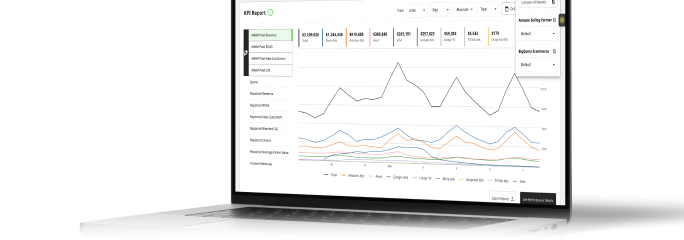
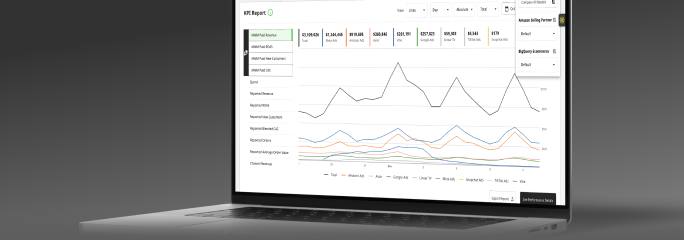
That's the gap Prescient's MMM is built to close. It updates daily, works at the campaign level, and measures halo effects that spill over into branded search, direct traffic, and retail sales, so your marketing team can see the fuller impact of every dollar you spend and translate that into a clearer advertising strategy. Book a demo to see the platform in action on a live screen using a real brand's anonymized data.
FAQs
What's the difference between competitive ad intelligence and marketing measurement?
Competitive ad intelligence tools like Pathmatics or iSpot tell you what your competitors are doing: which media channels they're using as part of their advertising strategy, how much they're spending, and how often their ads are running. Marketing measurement tools, particularly marketing mix modeling platforms, are built to tell you whether your own marketing campaigns are actually driving revenue. Both have a place in a marketing team's toolkit, but they answer very different questions.
Do I need more than one media measurement tool?
Most teams end up using at least two or three marketing tools, since no single platform covers competitive intelligence, brand monitoring, social media analytics tools, and business outcome measurement equally well. A common setup includes an outcome-focused tool like an MMM alongside a channel-specific tool, such as a social media analytics platform or a PR monitoring tool, depending on what your marketing team reports on regularly and which key metrics matter most for your next board meeting.
How much do media measurement tools typically cost?
Pricing varies widely across this category, from lighter weight social media analytics tools that cost a few hundred dollars a month to enterprise-level marketing analytics tools and competitive intelligence platforms that can run into six figures annually. Cost usually depends on the depth of data, how often it refreshes, and how many marketing channels or markets you need covered.
Can media measurement tools track retail and Amazon spend?
Some can, but many of the digital media measurement tools built for social or web measurement stop at DTC and paid media channels. If your brand sells through retail partners or Amazon, look specifically for platforms with dedicated retail connectors and the right metrics for those channels, since that's an area where a lot of media measurement tools still fall short despite years of marketing efforts to close the gap.
The Halo
Exclusive insights, every week.
Subscribe to The Halo for sharper marketing thinking.
You're subscribed to The Halo!
Quick question (optional): How familiar are you with MMM?
Thanks for sharing! Enjoy The Halo.
Keep reading
View all
How to measure the impact of marketing without guessing
Read article
How to make purpose driven marketing campaigns that actually drive revenue
Read article
What is campaign management software (and what can't it do alone)?
Read article
The best cross-channel attribution tools (and what separates them)
Read article
How to measure the success of a marketing campaign
Read article
How to measure MNTN performance TV campaigns
Read article