


How to build an influencer marketing strategy
Learn how to build an influencer marketing strategy that ties creator spend to revenue, from choosing creators and budgets to measuring halo effects.
Linnea Zielinski · 15 min read
Anyone who's planted a garden learns the same lesson sooner or later: the showiest plant at the nursery isn't always the one that thrives in your yard. What matters is whether it suits your soil and light, and whether it gets along with what's already growing. The best picks even help their neighbors by drawing in the pollinators that make the whole bed more productive.
Influencer marketing works a lot like that. The creator with the biggest following won't necessarily grow your business, and the right ones tend to lift more than their own posts—sending shoppers to your Amazon listing, your branded search results, or a store shelf—weeks after the post goes up. That ripple effect is also what makes influencer marketing spend so hard to defend. As creator budgets grow, "engagement looked great" won't hold up when finance asks what the money returned, so a successful influencer marketing strategy has to connect spend to revenue wherever that revenue shows up.
Key takeaways
- An effective influencer marketing strategy starts with goals and a measurement plan, and the creator list comes after both.
- Audience fit and trust predict results better than follower count, so score creators on who they reach and how much that audience listens to them.
- Discount codes and affiliate links show who took part in a sale, not whether the creator brought in a buyer you wouldn't have had otherwise.
- Creator impact often lands in other channels, like branded search, Amazon, and retail stores, where links and codes can't see it.
- A marketing mix model (MMM) can separate base revenue from what influencer campaigns added, and you can see results creator by creator when each one runs in their own campaign.
- Forecasting how revenue might change before you scale or shift creator spend beats guessing from your last campaign's averages.
What an influencer marketing strategy actually includes
A lot of brands start with a list of creators they like and a rough budget, then call it a strategy. That's a starting point, but it's not a full plan that you can report to your C-suite.
An effective influencer marketing strategy answers these questions before anyone sends a DM:
- Goals: What should influencer marketing campaigns do for the business, and how will you know?
- Audience: Who are you trying to reach, and where do they actually buy?
- Creator criteria: What makes someone a fit, written down so it doesn't change under deadline pressure?
- Budget: How much goes to proven partners, new tests, and boosting posts that take off?
- Partnership model: Flat fees, commissions, gifting, or a mix?
- Briefs and contracts: What are the key messages, and what's off-limits, and who owns the content?
- Measurement: How will you judge results, including sales that happen outside your site?
Writing this down once saves you from rebuilding it for every marketing campaign. It also makes the program easy to hand off when someone new joins the team.
Start with the job you need creators to do
Influencer marketing can do several different jobs, and each one calls for different creators and different success metrics. Saying you're focused on increasing brand awareness is a direction. Saying you want to drive 400 new email subscribers from influencer marketing campaigns this quarter at under $4 each is a goal you can actually evaluate.
Here's how common goals change who you work with and what you track.
| Goal | Who to look for | What to measure |
|---|---|---|
| Brand awareness | Creators who put you in front of new audiences | Reach, branded search lift, new visitors |
| Consideration | Trusted creators who demo, compare, and explain | Engagement rates, product page visits, saves |
| New customers | Creators whose audiences are ready to buy | New customers, cost per acquisition, revenue |
| Product launches | A wave of creators posting in a tight window | Launch-week sales, search interest, sell-through |
| Content production | Creators who make strong, reusable videos | Ad performance of their content, usage rights |
| Retail demand | Creators whose audiences live where you're stocked | Store-level sales, retailer search interest |
These goals overlap, and one creator can help with several at once. The trouble starts when every creator gets judged on the same scorecard, usually code redemptions.
Creating demand vs. capturing demand
Some creators introduce your brand to people who've never heard of it. Others mostly reach people who were already going to buy and hand them a discount. Both show up as sales in your affiliate dashboard, but only one of them grew the business. Keep this difference in mind as you build the rest of your influencer marketing strategy, because it changes how you pick creators, pay them, and judge their results.
Know your target audience and where they actually buy
Before researching influencers, get specific about the target audience you want to reach. That means audience demographics like age and location, along with the questions people ask before they buy, the social media platforms they spend time on, and the social media influencers they already trust.
Then figure out where those people buy. If a big share of your sales happen on Amazon or at Target, an influencer marketing campaign can send people there instead of to your site. It's tempting to push every link to your DTC store because it's the easiest place to track sales. But plenty of shoppers would rather check out where they already have an account, and forcing them somewhere else can cost you the sale.
This also matters for retail-focused campaigns. If you're only stocked in part of your target market, look for suitable influencers whose followers live there, so the demand you build lines up with where people can actually find you.
How to find influencers by fit, not follower count
Follower count is the easiest number to compare, which is exactly why it gets overused. A creator with 15,000 highly relevant followers can drive better results than one with 150,000 followers who don't care about your category.
Most brands sort creators into rough tiers. Just know that the ranges below are common conventions, and nobody in the influencer space has made them official.
| Tier | Typical follower range | Usually best for |
|---|---|---|
| Nano influencers | 1,000 to 10,000 | Tight-knit niche communities and high trust |
| Micro influencers | 10,000 to 100,000 | Strong engagement in a specific niche audience |
| Macro influencers | 100,000 to 1 million | Broad reach with some niche credibility |
| Mega influencers | 1 million or more | Large-scale visibility, often for big moments |
Nano influencers and micro influencers tend to have more engaged communities, which is why many brands build their influencer program around them. Macro influencers and mega influencers can still earn their place in your mix, especially for product launches or when you need to reach new audiences fast. Pick the right influencers for your goal, rather than picking a tier and building a goal around it.
What to score creators on
Engagement rates are a useful first filter, but they don't tell you whether an audience trusts a creator's recommendations. A written scorecard keeps creator selection consistent as your roster grows. Here's what to include:
- Audience relevance: Do the creator's audience demographics match your brand's target demographic, including the right locations and price sensitivity?
- Trust signals: Do followers ask the creator for advice, or do they just leave emoji?
- Content quality and fit: Would your product show up naturally in what they already post?
- Sponsored post volume: If half their social media feed is ads, their recommendations may carry less weight.
- Audience overlap: Are they reaching the same people as creators you already work with?
- Brand values and brand voice: Does their tone fit your brand personality and brand values?
- Past results: Can they show how earlier brand partnerships performed?
Some brands weight these so the scorecard adds up to a single number. That's helpful, but don't let the math override your judgment about whether a creator feels like a real fit.
Ways to find influencers
When you're starting out, manual research is a fine way to find the right influencers. To identify creators, look at who your customers already follow, check who's tagging your brand, and see which accounts your target audience engages with on each social media platform.
As your program grows, influencer discovery tools can help you search, filter, and track creators in one place instead of across DMs and spreadsheets. An influencer marketing agency is another option if you don't have the team to manage influencer outreach yourself. Either way, start small. A group of 10 to 20 creator partnerships is enough to learn what works before you scale.
Build an influencer marketing budget you can learn from
There's no industry standard for splitting an influencer marketing budget, and the splits you'll see online vary a lot. What they tend to share is a structure that leaves room for testing and a reserve for amplifying what works.
Here's one illustrative way to break it out. Adjust the percentages based on how established your influencer strategy is.
| Budget bucket | Example share | What it's for |
|---|---|---|
| Proven partners | 40 to 50% | Creators who've already delivered for you |
| New creator tests | 25 to 35% | Trying new creators, niches, and formats |
| Amplification reserve | 15 to 20% | Boosting top posts as paid ads |
| Measurement and tools | 5 to 10% | Tracking setup, tools, and any testing |
The amplification reserve is the bucket teams forget most often. A creator's post takes off, there's no budget to put behind it, and by the time someone approves the spend, the moment has passed.
It also helps to spend in waves instead of all at once. Each wave of influencer campaigns gives you valuable insights for the next one, so you're not locked into choices you made before you had any data.
Pick a partnership model that fits your goal
How you pay creators shapes how they behave, so match the model to the job. Most brands use a mix across their influencer marketing program.
| Partnership model | Best for | Watch out for |
|---|---|---|
| Flat fee | Awareness, education, and content | You carry most of the performance risk |
| Affiliate commission | Direct sales and ongoing promotion | Pays for sales that might have happened anyway |
| Product gifting | Discovery and early relationships | No guaranteed post, and disclosure rules still apply |
| Ambassador program | Long term partnerships and repeat exposure | Bigger commitment and possible audience fatigue |
| Fee plus commission | Balancing content quality with sales motivation | Needs careful commission math |
| UGC only | Content for your own ads and site | You're paying for content, not their audience |
Affiliate commissions deserve a closer look. If a creator's followers already love your brand, they'll happily use the code to save 15%, and you'll pay a commission on sales you would've gotten anyway. That doesn't make affiliate a bad model, but it does mean code redemptions can't tell you how much a creator actually added.
Long term creator partnerships are worth prioritizing once you find creators who work. Creators often prefer them too, since showing a product to their audience several times helps maintain audience trust and feels more natural than a one-off ad.
Write briefs and contracts that protect both sides
Once you've chosen your partners, the brief and the contract set the terms of your influencer collaborations. Both should be clear enough to prevent surprises, without boxing creators into content their followers will scroll past.
Give guardrails, not scripts
A good brief explains the customer problem, the brand's message, the key messages you need covered, any claims you can and can't make, and the call to action. Then it leaves the delivery of the brand's message to the creator. They know what their audience responds to, and creative freedom is a big part of why influencer content outperforms polished ads.
One quick test helps here: would this post still interest the creator's audience if it weren't sponsored? If the answer is no, the brief probably needs a different angle.
Get the contract details in writing
Influencer collaborations go sideways most often over things nobody wrote down. Your contract should cover:
- Deliverables, timelines, and how many rounds of review you get
- Usage rights, including whether you can run their content as paid ads and for how long
- Exclusivity and any competitor restrictions
- Payment terms and what happens if a post is late or pulled
- Disclosure requirements
On disclosure, the FTC expects creators to clearly disclose any material connection to your brand, and that includes free products as well as payment. A platform's built-in "paid partnership" label may not be enough on its own, and video posts should include the disclosure in the video itself, not just the caption. Build these rules into the brief so they don't get missed.
Plan for your creator content after the post goes live
Influencer posts can keep working long after the creator's original upload. With the right usage rights, you can reuse creator content as paid ads (often called whitelisting, or Spark Ads on TikTok), on product pages, in emails, and in retail media.
This is also where many teams start double counting. If influencer content runs as a Meta ad and drives a sale, both your influencer report and your Meta report may claim it. Decide upfront how you'll credit content that lives in more than one place, so your influencer program and your paid media numbers don't add up to more revenue than you actually made.
Set up measurement before the first post goes live
The tracking side of your influencer marketing strategy needs to exist before your first creator posts, or you'll lose data you can't get back. At minimum, that means unique links, promo codes, a log of what you spent and when each post went live, and a baseline of where sales and search were before the campaign.
Every common way to measure success in influencer marketing has blind spots. Here's what each one can and can't tell you.
| Method | What it tells you | What it misses |
|---|---|---|
| Links and promo codes | Sales tied to a specific creator | Sales without a click or code, and buyers who'd have purchased anyway |
| Google Analytics and UTMs | Site traffic and conversions from creator links | Amazon, retail, and anyone who searched instead of clicking |
| Social media metrics | Views, reach, and engagement | Whether any of it turned into sales |
| Branded search trends | Whether interest rose during the campaign | What else might have caused the rise |
| Post-purchase surveys | Where buyers say they heard about you | Fuzzy memories and multiple influences |
| Holdout or geo tests | A read on one campaign during one window | How results hold up across your full marketing mix |
| Marketing mix modeling | Each campaign's impact on revenue across channels | It needs your spend and sales data connected |
Links, codes, and analytics are still worth setting up, since they help with day-to-day decisions. But every row except the last either can't see sales outside your site or can't tell you which sales would have happened without the creator.
Use an MMM to see what your creators actually added
A marketing mix model looks at your spend and revenue over time and estimates how much of that revenue came from each marketing effort. It doesn't need a click, a code, or a pixel, because it starts from the sales you can actually see and works backward to estimate what drove them. That makes it a useful part of any influencer marketing strategy, since so much of the impact happens away from a trackable link.
Separating base revenue from creator-driven revenue
Every brand has base revenue, which is the sales you'd get from existing demand, seasonality, and brand equity without a particular campaign running. An MMM estimates that base and then shows how much a creator campaign added on top of it.
That's how you find out whether a creator is building new demand or mostly collecting commissions on demand you already had. A creator with modest code redemptions could be driving real growth, while another with a high redemption count—the kind your affiliate dashboard loves—could mostly be reaching existing fans.
Spotting halo effects on Amazon, retail, and branded search
Influencer marketing campaigns often have halo effects, which means they drive revenue indirectly through other channels. Someone watches a review on TikTok, searches your brand name on Google a few days later, and buys on Amazon or at a store. Your influencer dashboard sees none of that, and your branded search or Amazon numbers get the credit instead.
An MMM that connects your retail and marketplace revenue can measure those halo effects and credit them back to the campaign that started the chain. For omnichannel brands, this is often where influencer campaigns earn their keep.
Measuring creator performance one campaign at a time
To see creator performance at the individual level, set each creator up as their own campaign. When a marketing campaign only includes one creator, the model's read on that campaign is effectively a read on that creator. If you lump ten creators into one campaign, you'll see how the group did but won't be able to tell who drove the results.
This setup also puts influencer performance on the same footing as the rest of your mix. Instead of comparing code redemptions against platform-reported ROAS from Meta, you can compare every campaign using one consistent method.
Forecast before you scale or shift spend for the next campaign
Knowing what worked last quarter is useful. Knowing what's likely to happen if you double down is what helps you plan future campaigns.
Give influencer campaigns time before you judge them
Influencer content doesn't stop working the day it's posted. A video can keep driving searches and sales for weeks, and different campaigns fade at different speeds. If you judge a partnership 48 hours after it goes live, you may cut a creator right before their impact shows up in your sales.
It helps to check results at a few points instead of just once:
- Right after posting: Did it go live correctly, and are people responding?
- Over the next few weeks: Are searches, traffic, and early sales moving?
- Over a longer window: What did the campaign add to revenue, and is it worth renewing?
How long that longer window should be depends on your product. An impulse buy shows results faster than a $400 purchase people research for weeks.
Don't assume past returns will hold at a new budget
A lot of marketers assume that as you spend more, every extra dollar returns a little less. That can happen, but it isn't a rule. Our research on saturation in marketing mix modeling found that diminishing-returns assumptions are often misapplied, which can lead brands to underspend on campaigns that still have room to grow. Some campaigns also have more than one point where spend becomes more efficient.
So the average return from your last campaign isn't a reliable guide to what happens at a bigger budget. A creator program could hold up well at double the spend, or it could stall. You'd want to know which before you commit the money.
Test budget changes before you make them
Forecasting lets you try out a budget change before you make it. You can ask what happens to revenue if you scale creator spend by 50%, or if you shift budget from other paid media into creator campaigns while keeping your total spend the same. A good forecast also accounts for seasonality, so a holiday spike doesn't make a campaign look better than it is. This is how you set your next influencer marketing campaign budget with evidence instead of gut feel.
Where Prescient comes in
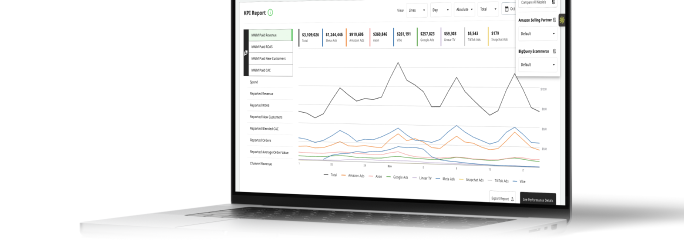
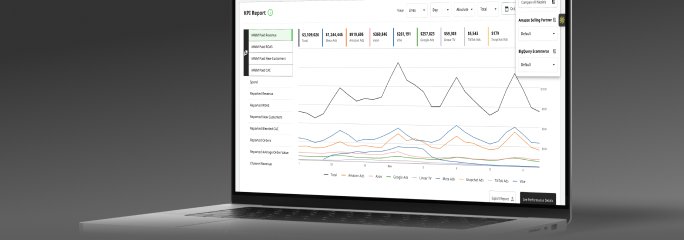
Prescient's marketing mix model measures creator and affiliate campaigns alongside every other channel in your mix, and it connects with creator and affiliate platforms like Agentio, Impact, and Awin. It measures at the campaign level and updates daily, so when each creator runs in their own campaign, you can see what each one added to revenue. It also measures halo effects on channels like branded search, Amazon, and retail, so creator campaigns get credit for the sales they drive outside your site.
When it's time to plan the next round, our Media Forecaster feature uses what our MMM has learned about your brand, including your seasonality, to forecast how revenue could change if you scale creator spend or shift budget into it from other channels. That way, you can shape your influencer marketing strategy around what your data shows instead of what last quarter's averages suggest. Book a demo to see how the Prescient platform uncovers how your influencer marketing campaigns are really performing.
FAQs
How much should a brand spend on influencer marketing?
There's no single right number, since it depends on your goals, category, and how established your influencer program is. A practical way to start is to pick a test budget you can split across 10 to 20 creators, and hold back 15 to 20% to amplify posts that perform well. Once you can see which campaigns added revenue, you'll have a much better basis for setting the next budget than any industry benchmark.
How do you measure the ROI of influencer marketing?
For influencer marketing, start with unique links, promo codes, and UTMs for day-to-day tracking, but don't treat them as the whole picture. They miss sales that happen on Amazon, in stores, or after someone searches your brand name, and they can't tell you which buyers would have purchased anyway. A marketing mix model fills those gaps by estimating how much revenue each campaign added on top of your base revenue, including halo effects on other channels.
Are micro influencers better than macro influencers?
Micro influencers often have more engaged audiences and lower costs, which makes them a strong fit for niche products and conversion-focused campaigns. Nano influencers work the same way on an even smaller scale. Macro influencers reach more people at once, which can help with brand awareness and product launches. The better choice depends on your goal, and many brands use a mix, with a larger group of micro creators and a few bigger names for moments that need reach.
How do you find the right influencers for your brand?
Start by looking at who your target audience already follows and which creators are tagging or talking about your brand. From there, score potential partners on audience relevance, engagement rates, trust, content fit, and how much sponsored content they post. Influencer discovery tools can help you search and filter at scale once your program grows past what you can manage by hand.
How long does it take to see results from influencer marketing?
You'll see early social media signals like reach and engagement within a day or two, but sales impact often takes longer to show up. Creator content can keep driving searches and purchases for weeks, and higher-priced products usually have longer timelines than impulse buys. Give each campaign a few weeks before deciding whether to renew, and judge it on revenue rather than first-day numbers.
What should an influencer contract include?
An influencer contract should spell out deliverables, timelines, review rounds, payment terms, and what happens if a post is late or removed. It should also cover usage rights, including whether you can run the content as ads and for how long, plus any exclusivity or competitor restrictions. Finally, include FTC disclosure requirements so both the brand and the creator know how the influencer partnership will be labeled.
The Halo
Exclusive insights, every week.
Subscribe to The Halo for sharper marketing thinking.
You're subscribed to The Halo!
Quick question (optional): How familiar are you with MMM?
Thanks for sharing! Enjoy The Halo.
Keep reading
View all
How to optimize audio campaigns over time
Read article
How to set up a marketing plan that separates prospecting from retargeting
Read article
What branded search campaigns really do and how to measure them
Read article
Competitors bidding on your brand name: What it costs you and how to respond
Read article
Cross-channel optimization: How to make your marketing channels work as one system
Read article
What marketers need to know about audio advertising before they buy
Read article