


What every marketers needs to know about media buying and planning
Brands that invest in accurate measurement make better use of their media budget and are able to build more successful campaigns over time.
Linnea Zielinski · 9 min read
A film crew doesn't just show up on set and improvise. Before a single frame is shot, there's a director working through storyboards, a location scout mapping out scenes, and a producer breaking down what the whole thing will cost. Then, once all of that groundwork is laid, the crew executes. Both jobs matter. And if either one goes sideways, the whole production suffers.
Media buying and planning work the same way. Media planning covers the strategic groundwork: figuring out who you're trying to reach, where your target audience spends time, and how to allocate your advertising budget to get in front of them effectively. Media buying is the execution side: negotiating, purchasing advertising space, and managing campaigns once they're live. Together, media planning and buying form the backbone of any successful campaign, and the media buying and planning process is one of the most important levers a marketing team has for driving efficient growth.
But even well-planned, well-executed advertising campaigns can lead you to bad decisions if you don't have an accurate way to measure what actually happened. For brands investing serious money across multiple channels, that measurement gap is where revenue gets lost, and where the planning cycle breaks down.
Key takeaways
- Media planning is the strategic process of deciding where, when, and how to reach your target audience before a campaign launches.
- Media buying is the execution phase, where media buyers negotiate and purchase advertising space across the right channels.
- Effective media buying and planning work as a feedback loop: the buy informs future planning, and stronger media planning leads to smarter buying.
- Platform-reported performance data is limited to what happens inside each platform's walls and often doesn't capture the full impact of your media budget.
- Awareness campaigns frequently drive revenue through indirect paths like branded search, organic traffic, and direct visits, which standard reporting misses.
- Marketing mix measurement gives marketing teams a way to measure campaign performance across channels without relying solely on self-reported platform data.
- Brands that invest in accurate measurement make better use of their media budget and are able to build more successful campaigns over time.
What is media planning?
Media planning is the strategic process that happens before any media budget changes hands. Media planners are responsible for figuring out:
- where your campaign's target audience spends time
- which media channels are most likely to reach them efficiently
- how to allocate your advertising budget to hit your campaign goals\
The discipline of media planning has grown significantly more complex as the number of available media channels has multiplied, which is part of why dedicated media planning and buying teams have become standard at larger brands and agencies.
The media planning process typically starts with audience research. Media planners look at consumer behavior, demographic data, and market trends to build a clear picture of who they're trying to reach and what kind of advertising message those people are likely to respond to. Channel selection follows: should the budget go toward social media platforms and social media channels, streaming services, traditional media like TV and print, digital channels, or some combination? The channel mix decision at this stage is one of the most consequential choices in the entire planning process, because it shapes everything that comes after.
Once the channel mix is set, media planners work through budget allocation, objective setting, and campaign goals. The output of all of this is a comprehensive media plan that serves as the strategic blueprint for the buy. A robust media plan accounts for the target audience's habits, the key differences between available media channels, and the key performance indicators the team will use to evaluate performance. Without strategic media planning up front, media buyers are essentially executing without direction.
Good media planning also involves strategic thinking about timing: when is your target audience most receptive, when do competitors tend to be most active in the market, and how does seasonality affect demand in your category? These are the kinds of audience insights and market research questions that inform a truly successful media plan rather than just a functional one.
What is media buying?
Media buying is where strategy becomes action. Once the media plan is in place, media buyers take over and handle the actual purchasing of ad space across the channels the planners identified. This involves:
- negotiating rates with media vendors
- securing ad inventory
- making sure campaigns reach relevant audiences at the right times
While media planning is primarily a strategy function, media buying is fundamentally about execution: getting the right ad in front of the right person at the right price.
Modern media buying spans a wide range of approaches. The media buying process for digital channels is largely programmatic today: real-time bidding through demand side platforms allows media buyers to purchase advertising placements at scale, with audience targeting that wasn't possible with traditional media buying. Real-time bidding happens in milliseconds, and most display and social media advertising on platforms like Meta now runs through some form of it.
Programmatic media buying and programmatic advertising handle a significant portion of digital ad spend automatically, which makes the role of the media buyer more about strategy and oversight than manual negotiation for most digital buys. Optimizing ad placements in real time is one of the clearest advantages of programmatic approaches, and media execution for brands running digital programs now depends heavily on it. Understanding the media mix across programmatic and direct channels is a core part of what makes media buying effective at scale.
That said, direct relationships with media outlets, streaming services, and publishers still matter, particularly for premium ad space where programmatic platforms can't guarantee the context or quality of placement. Traditional media buying through direct negotiation with media vendors often makes sense for TV, out-of-home, and high-profile digital placements where purchasing advertising space directly gives you more control over where your ad creatives appear and how your media budget gets used. Social media platforms like Meta, TikTok, and YouTube sit somewhere in between: most media buying on these platforms is self-serve and auction-based, but they offer enough targeting sophistication that the media buying process there requires real strategic thinking.
Media buying also means staying on top of campaigns once they're live. Media buyers track campaign performance against the marketing goals set during the media planning process, check key metrics regularly, and make adjustments to ad placements, bids, and targeting to keep the buy on track and maintain budget efficiency. Managing media execution across multiple platforms and vendors simultaneously is one of the more demanding parts of the job. The buying process doesn't end at the contract signature.
Key differences between media planning and media buying
Media planning and media buying are sometimes described as a single discipline, and in smaller marketing teams they often are handled by the same person. But in practice they involve distinct skills and responsibilities.
Media planning is primarily analytical and strategic: it requires deep knowledge of audience research, channel behavior, market research, and how different media channels reach different types of people. Media planners are thinking about the big picture, including which channels should be in the channel mix, what the advertising budget should accomplish, and how to set up media buyers for success. Media planning tools like reach and frequency modeling, competitive analysis platforms, and audience segmentation software all support this work.
Media buying is more operational and negotiation-focused: it requires understanding how programmatic advertising platforms work, how to evaluate media vendors, how to manage ad inventory and ad space across multiple channels, and how to optimize ad placements in real time. Media buyers are focused on execution and questions like how to get the most out of the media plan at the price the plan allows. A skilled media buyer can meaningfully improve the return on an advertising budget even when the plan itself is solid.
The two roles work best when they're tightly integrated. Media planning and buying that operate in silos tend to produce advertising campaigns where the strategy and execution don't align, which makes it harder to learn from results and improve future campaigns.
The measurement gap that lives between planning and buying
Effective media buying and media planning both rely on one thing neither can fully supply on their own: accurate measurement. Media planning decisions get made based on past campaign results. Media buying optimizations during a flight depend on real-time data. But both of these inputs are typically pulled from the platforms running the campaigns, which creates a predictable problem The decisions that media planners and media buyers make are only as good as the data they're working from, and the gap between platform-reported data and what actually happened is often wider than it appears.
Here's a scenario that plays out constantly for brands running multi-channel advertising campaigns: a prospecting campaign on Meta drives a spike in branded search. People who are part of your target audience see the ad, don't click, and come back three days later by typing the brand name directly into Google. The Meta campaign gets no credit. The branded search looks organic. And the media plan for the next quarter cuts Meta spend because the ROAS looked weak.
This kind of misattribution isn't a bug in any one media platform. It affects all of them, and it’s a limitation of relying on platform-reported data as the primary input for informed decision making about your media strategy. Upper-funnel campaigns and brand-building efforts are especially vulnerable to being undercounted this way, because the revenue they drive tends to show up in places the originating platform can't see, including direct traffic, organic search, branded search volume, and even retail channels.
The media challenges this creates for marketing teams are real. A media plan built on inaccurate attribution will keep repeating the same misallocation. Channels and campaigns that are actually driving meaningful downstream revenue get cut. Channels that appear to perform well in last-click windows get more of the media budget than they've actually earned. Over time, this compounds into a meaningful gap between where brands think their media spend is working and where it's actually working. (And, unfortunately, it tends to lead to depleting the pool of prospects that upper funnel campaigns created and replenished.)
What accurate measurement looks like for media planning and buying
Solving the measurement gap requires looking at your advertising campaigns the way a scientist looks at a system. You need to understand how all the inputs relate to all the outputs rather than drawing a straight line from each ad to each conversion. That's what a good marketing measurement platform does, and it's exactly where marketing or media mix modeling fits into the media buying and planning process.
A strong marketing mix model looks at the statistical relationships between your spend across media channels and the revenue your business actually generates, accounting for seasonality, market trends, and external factors that individual media platforms can't see. Good models work at the campaign level, not just the channel level, because different campaigns within the same channel can perform very differently and reach saturation at different points. They also update frequently enough to keep your media planners and media buyers working from current data rather than stale snapshots. For teams who rely on real time bidding platforms and programmatic channels for a large share of their spend, this kind of model-level visibility is especially important, because real time bidding optimizes for what the platform can see, not what actually drives downstream revenue across the full media mix.
This kind of measurement can also quantify what Prescient AI calls halo effects: the downstream revenue a paid campaign drives through organic traffic, branded search, direct visits, and retail channels. When you can see that a prospecting campaign drove significant revenue through branded search and organic traffic that the originating media platform couldn't see, the full picture of what that campaign accomplished looks completely different. And that changes how media planners allocate the next buy, and how media buyers prioritize media execution across channels.
Where Prescient comes in
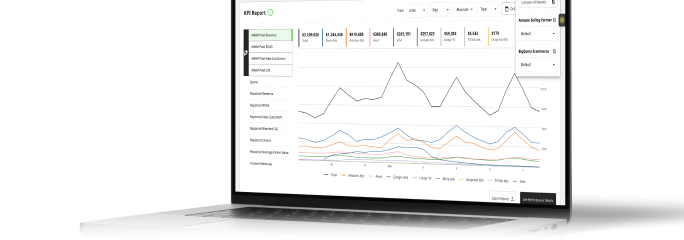
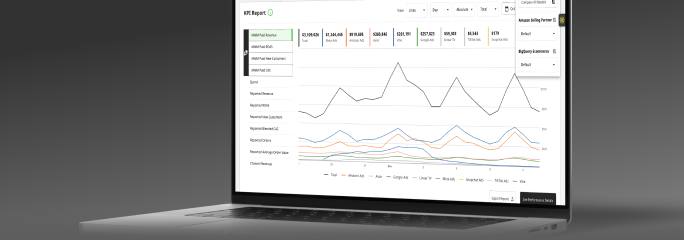
Prescient AI's platform was built to give brands the campaign-level measurement clarity that platform reporting can't provide. Prescient models the relationships between your ad spend and your revenue using advanced statistics, including the halo effects that standard attribution consistently undercounts. The model updates daily, so your media planners and media buyers are always working from current performance data rather than snapshots that are weeks old.
If your media buying and planning process is built on what the platforms say happened, there's a good chance you're making resource allocation decisions with an incomplete picture of what's actually driving your growth. Good media planning and buying decisions start with good measurement, and that's where Prescient comes in. Book a demo to see how.
The Halo
Exclusive insights, every week.
Subscribe to The Halo for sharper marketing thinking.
You're subscribed to The Halo!
Quick question (optional): How familiar are you with MMM?
Thanks for sharing! Enjoy The Halo.
Keep reading
View all
What is EDDM? Every Door Direct Mail explained
Read article
Top of funnel marketing tactics that work and how to prove it
Read article
Cross-channel vs omnichannel marketing: The differences that matter for your budget
Read article
How effective is direct mail marketing? What the numbers show and what they miss
Read article
Top of funnel vs bottom of funnel: How they differ and how to balance your budget
Read article
You’re underestimating the value of top of funnel marketing
Read article