


One plan, not two: Introducing Media Forecaster
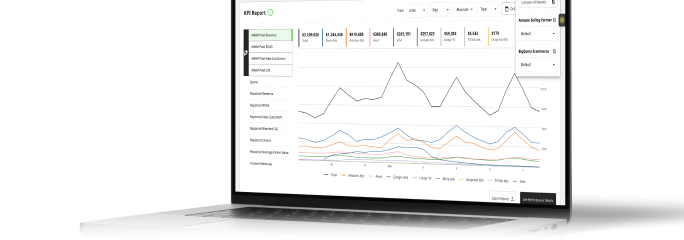
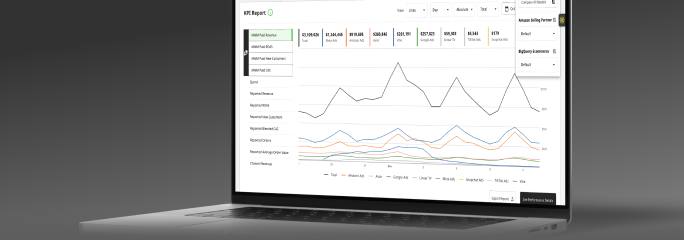
Media Forecaster unifies planning and forecasting into a single tool, giving you one budget plan with reasoning behind every move so you can act with confidence.
Linnea Zielinski · 3 min read
Picture two finance people building the same budget independently, each working from good logic, each confident in their own math. Their totals don't match. Now you're walking into the CFO’s office with two plans and a decision about which one to defend, or worse, trying to reconcile them yourself first.
That's what budget planning has felt like for a lot of marketers using separate tools for optimizing and forecasting. The real cost was never picking the wrong number, but you lost too much time reconciling the two. Media Forecaster is built to close that gap.
Key takeaways
- Media Forecaster brings the Optimizer and Budget Planner together into a single tool.
- The two used to run separately, which sometimes meant two different recommended action plans for the same goal.
- You set one goal, and Media Forecaster produces one plan across every model you run.
- The reasoning behind each recommended move is shown before you commit to it.
- You walk into planning conversations with a single, defensible number instead of two competing ones.
- Media Forecaster is live now, as part of the Horizons Summer 2026 release.
Two tools, two plans, one confusing meeting
The Optimizer and the Budget Planner were both built to answer a version of the same question: where should your budget go next. The problem was that they answered it separately, from separate logic, which occasionally meant they landed on different recommendations for the same underlying goal.
That's a confusing position to be in. If you can't tell which plan to follow, it's hard to follow either one with confidence.
One goal in, one plan out
Media Forecaster starts from a single goal. Maybe that's maximizing revenue, hitting a target ROAS, or scaling spend by a set amount. Instead of running that goal through two separate tools and comparing the outputs yourself, you get one plan built across every model you run.
That plan reflects the same logic that used to live in the Optimizer and the Budget Planner, just working together instead of separately.
See the reasoning before you commit
A plan is only as useful as your ability to trust it, and trust comes from seeing the reasoning, not just the recommendation. Before you commit to any move Media Forecaster suggests, you can see why it's being suggested.
That means understanding how a campaign's spend efficiency factors into the recommendation, and how confident the tool is in the outcome it's projecting. Instead of an inscrutable number telling you to shift budget from one campaign to another, you get the logic behind that shift, so you can decide for yourself whether it lines up with what you already know about your business.
Bringing one number to Finance
The real payoff shows up in the room where budget decisions get made. Walking into a planning meeting with one number, backed by one coherent plan, is a stronger conversation for the marketing team.
When someone asks why a recommendation looks the way it does, you have an answer ready, because the reasoning was visible before you ever committed to the plan. That’s what allows you to present a plan instead of defending your budget.
Wrapping it up…
Media Forecaster reflects a broader shift in how we think about giving marketers control: not just better recommendations, but recommendations you can actually stand behind in front of the people who approve your budget. Planning and forecasting were never meant to compete with each other, and now they don't have to.
If you're ready to see what one unified plan looks like in the platform, book a demo and we'll show you.
The Halo
Exclusive insights, every week.
Subscribe to The Halo for sharper marketing thinking.
You're subscribed to The Halo!
Quick question (optional): How familiar are you with MMM?
Thanks for sharing! Enjoy The Halo.
Keep reading
View all
See where every channel earns its budget with our new attribution
Read article
See exactly what your model sees: Introducing Model Center
Read article
Map your own data on your schedule with the Data Center
Read article
Introducing Horizons 2026: Six updates built around one idea
Read article
Your marketing drives retail sales. Now you can prove it.
Read article
Prescient AI named Predictive Analytics Solution of the Year in the 2026 MarTech Breakthrough Awards
Read article