



How to plan a multi-channel marketing campaign that actually works together
A multi-channel marketing campaign only works if every channel is pulling in the same direction. Here's how to plan, sequence, and measure one that delivers.
Linnea Zielinski · 10 min read
Backstage at a play, the lighting crew and the sound crew rarely talk to each other during the show but they're working off the same script, hitting the same cues, and building toward the same curtain call. If either crew went rogue and improvised on its own timeline, the audience would notice something was off.
A multi-channel marketing campaign runs into the same risk. When each channel puts on its own show without a shared script, your audience feels the disconnect, even if they can't point to which channel missed its cue. Getting this coordination right is one of the more reliable ways to get more out of a budget you're already spending, since a coordinated campaign gets more mileage out of the same spend than the same channels running on their own, and that can be a real competitive advantage over brands still operating each platform in isolation.
Key takeaways
- A multi-channel marketing campaign is a defined effort with a goal, a timeframe, and a budget, not just an ongoing presence across multiple platforms.
- Your goal should decide which combination of channels you use, not the other way around, since chasing every available channel usually dilutes your budget.
- Sequencing channels so they hand off to each other builds on customer touchpoints instead of asking every channel to convert cold traffic on its own.
- Consistent messaging doesn't mean identical creative; each channel can adapt the same core idea to fit how people actually use that platform.
- Judging a campaign by each channel's own reported numbers tends to overstate performance, since more than one channel will often claim credit for the same sale.
- The most common multi-channel campaign mistakes are spreading budget too thin, skipping a defined end date, and trusting platform-reported conversion rates at face value.
- Understanding customer behavior and customer preferences ahead of time helps you pick digital channels that actually match how your audience wants to engage.
What makes a campaign different from a strategy
It's easy to use "multi-channel marketing" and "multi-channel marketing campaign" interchangeably, but they're not quite the same thing. Multi-channel marketing describes an ongoing approach: your brand consistently shows up across social media, email, paid ads, and maybe direct mail or in-store promotions, day in and day out. A campaign is narrower: a specific push, built around one goal, running for a defined stretch of time, with a set budget behind it.
That difference changes how you plan. Your always-on presence can afford to be broad and exploratory if that fits into your marketing channel strategy. A campaign can't. It needs a clear starting point, a clear endpoint, and a way to know whether it worked once that endpoint arrives. Think of your ongoing multi-channel marketing as the theater's full season of programming, and a single campaign as opening night for one particular show; a lot more is riding on getting those specific few weeks right.
You'll also see the term "omnichannel marketing" used nearby, and it's worth a quick distinction, since multichannel and omnichannel marketing get confused often. Omnichannel marketing ties every channel together with shared data, so a customer's experience on one platform actively informs the next. A cross-channel marketing campaign doesn't need that level of data integration to be effective, it just needs the channels involved working toward the same goal on a coordinated timeline, which is a far more achievable bar for most marketing teams.
Set your goal before you touch a single channel
The order matters. It's tempting to start by asking which channels you should use, but that question only makes sense once you know what you're trying to accomplish. A campaign built to generate leads for a B2B sales team looks nothing like one built to reach new customers for a consumer product launch.
Before you touch a single channel, get specific about a few things:
- What's the primary outcome: new customers, generated leads, repeat purchases from an existing audience, or something else entirely?
- What does success look like in numbers, not just direction (higher conversion rates, a target cost per lead, a revenue goal)?
- Who's the target audience for this specific push, and how does that compare to your broader customer base?
- What's the timeframe, and what happens at the end of it?
Answering these questions first keeps you from picking channels out of familiarity or because a competitor uses them. It gives you something concrete to measure against once the campaign wraps. A clear goal also helps you maximize engagement without wasting spend chasing potential customers who were never a great fit for this push.
Choosing the right channels for this campaign
Once your goal is locked in, your channel mix should follow from it. This is where a lot of campaigns go wrong: marketers reach for every channel available instead of the two or three different channels that actually fit the goal, the timeframe, and the audience. More channels isn't automatically better (you're just signing up for more moving pieces to coordinate across different platforms, and a thinner budget spread across each one).
A few examples of how the goal should shape which marketing channels make the cut:
- Generating leads from niche audiences often works best with a tighter combination; think paid ads on the platform where that particular audience spends time, paired with targeted email sent to channels customers already trust.
- Reaching new customers for a broader launch usually calls for a wider net across social media, in-app messaging, and possibly traditional channels like direct mail if your target audience skews that way.
- Re-engaging existing customers leans more on channels where you already have a direct line, like email and personalized messages, rather than prospecting channels built for cold audiences and unfamiliar potential customers.
There's no universally preferred channel or one perfect combination across various marketing channels, whether that's multiple channels of paid media or a single well-chosen platform. The point is matching your digital channels, and any traditional channels you still rely on, to the specific audience and outcome you defined, rather than defaulting to whatever multiple platforms you've used before out of habit.
Sequencing your channels so they build on each other
This is the piece most multi-channel advice skips, but it's often exactly what makes a campaign feel cohesive.
Building a launch cadence
Rather than turning every channel on at once, think about which one should introduce the campaign and which ones should follow. A common pattern is to lead with a broader awareness channel—social media posts or paid social designed to get in front of a wider audience—and follow a few days later with more direct channels like email or retargeting, once people have had a first touchpoint with the message. That sequence gives your audience a chance to become familiar with the campaign before you ask them to act on it, and it tends to maximize engagement compared to hitting people with every channel on day one.
Letting channels hand off instead of racing in parallel
A well-sequenced campaign treats each channel as a handoff point rather than a separate race toward the same finish line. Someone who sees a paid ad should recognize the same campaign when a follow-up email lands in their inbox a few days later. Someone who engages with a social post should feel like the in-store promotion they encounter afterward is a continuation of that same interaction, not an unrelated pitch. When channels hand off well, you're building on customer touchpoints and helping customers engage more deeply at each step, instead of asking each channel to independently convert someone who's never heard of the offer before.
Keeping your message consistent without making every channel identical
Consistent messaging is a key part of any cohesive strategy, but it doesn't mean copying and pasting the same creative across every channel. Your brand's message—the core idea, the offer, the value you're communicating—should stay the same. How you express that brand's message can and should flex to fit the platform.
A social post built for scrolling needs a different pace than an email someone opens with intent to read. An in-app message needs to feel native to the experience someone's already having, not like an ad that interrupted it. What ties these together isn't identical execution; it's a consistent brand identity and a message people would recognize no matter which channel they encountered it on. That consistency is also what builds brand recognition and brand visibility over time, since people start to associate a certain tone and look with your brand regardless of where they run into it.
Getting this right also pays off in customer experience and customer engagement. A customer with a smooth, recognizable experience across a campaign is more likely to trust the next one, which feeds customer loyalty and customer lifetime value over time. Customer feedback during a campaign (eg. comments, replies, support tickets) is one of the fastest ways to catch a channel that's off-message before it does real damage.
Measuring whether your campaign actually worked
Running a coordinated campaign isn't enough; you need a way to know afterward whether it actually drove results, and that's harder than it sounds once more than one channel is involved. This is often where cross-channel marketing gets its reputation for being hard to measure. Cross-channel campaigns generate a lot of data, but pulling it together into one honest picture takes more than exporting a spreadsheet from each platform.
The trouble is that most channels report their own performance in isolation, and each one has an incentive to look effective. A paid ad platform will happily claim credit for a sale that a customer also saw through an email and a social post before buying. Add those platform-reported numbers together across every channel in your mix, and you'll usually get a total that adds up to more conversions than the campaign actually produced. This makes it that much harder to know which channel actually earned the credit for a given sale.
A more reliable approach looks at campaign performance as a whole rather than adding up each channel's self-reported conversion rates. That means asking:
- Did overall revenue or leads move during the campaign window, compared to a reasonable baseline?
- Which channels appear to have driven that change once you account for the overlap between them?
- Would the campaign have performed differently with a different budget split across channels?
Answering those questions honestly usually requires looking beyond any single platform's dashboard, since no individual channel has visibility into what the others are doing. Digging into user behavior across the full customer journey, rather than trusting whichever channel shouts loudest about its own results, tends to turn up industry insights that a single dashboard never would.
We have several resources available if you want more help with measurement:
- How to track cross channel performance of a marketing campaign
- How to measure cross-channel attribution
Common multi-channel campaign mistakes to avoid
A handful of mistakes show up in multi-channel campaigns more than any others, and most of them are avoidable with a bit of upfront planning.
- Spreading budget too thin. Splitting a modest budget evenly across five or six channels (social media, email, paid search, and more) rarely gives any single one enough weight to make an impact.
- Skipping a defined end date. Without a clear endpoint, campaigns tend to blur into your always-on advertising efforts, which makes it much harder to isolate what actually happened during the push.
- Trusting platform-reported numbers at face value. As covered above, taking each channel's self-reported conversion rates and adding them together will almost always overstate what the campaign delivered.
- Skipping the sequencing step. Turning every channel on simultaneously, with no thought to what should lead and what should follow, often reads as noise rather than a cohesive campaign.
- Ignoring data quality. Things like invalid email addresses or incomplete customer data can throw off targeting and reporting, so it's worth a cleanup pass before a campaign launches.
Where Prescient comes in
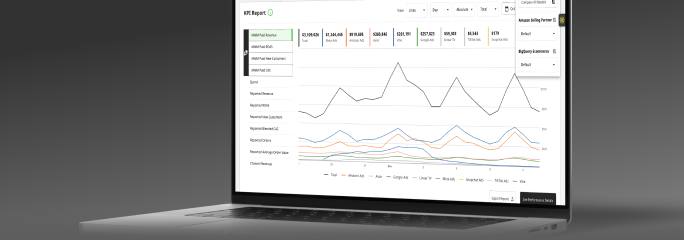
A successful multichannel marketing strategy is really just a string of campaigns like this one, each measured honestly enough to inform the next. Once a cross-channel marketing campaign wraps, the real question is whether the campaign as a whole moved revenue. Prescient AI's marketing mix modeling platform looks at campaign performance across your entire channel mix at once, using platform-reported data as an input rather than the final word, so you get a read on what actually drove results instead of a pile of channels all claiming the same credit.
That gives marketing teams a clearer view for the next campaign, since you can see which channel combinations and sequences genuinely worked rather than guessing based on inflated numbers. We'd love to show you how to works with a channel mix similar to yours when you book a demo.
FAQs
How many channels should a multi-channel marketing campaign include?
There's no fixed number, but most campaigns work best with two to four channels rather than trying to cover every platform available. The right count depends on your budget, your goal, and how much attention each channel needs to do its job well.
How long should a multi-channel marketing campaign run?
It depends on the goal, but most campaigns run somewhere between two and eight weeks. A shorter campaign tied to a launch might run just a couple of weeks, while a lead-generation push aimed at a longer sales cycle could run a couple of months. What matters more is having a defined end date going in, so you can measure results against a clear window instead of letting the campaign blur into your ongoing marketing efforts.
How do you split budget across channels in a multi-channel campaign?
Budget splits should follow your goal and audience rather than a standard formula. A campaign built to generate leads from a niche audience might put most of its budget behind one or two precise channels, while a broader awareness push might spread spend more evenly across social media, paid ads, and email. It helps to revisit the split partway through the campaign based on early results rather than locking it in and leaving it alone.
How do you know if a multi-channel campaign is actually working?
The most reliable signal is whether your overall revenue or leads moved during the campaign window compared to a reasonable baseline, not whether each individual channel's dashboard shows strong numbers. Since channels tend to claim overlapping credit for the same customers, adding up their self-reported conversion rates will usually overstate what the campaign delivered. Looking at campaign performance as a whole, rather than channel by channel, gives a much more accurate picture of what actually happened.
The Halo
Exclusive insights, every week.
Subscribe to The Halo for sharper marketing thinking.
You're subscribed to The Halo!
Quick question (optional): How familiar are you with MMM?
Thanks for sharing! Enjoy The Halo.
Keep reading
View all
How effective is direct mail marketing? What the numbers show and what they miss
Read article
Top of Funnel Visibility Loss: New Causes & What to Do
Read article
Brand Campaigns: Goals, Types, & Measuring Them Accurately
Read article
What is agile marketing? A guide for modern marketing teams
Read article
Your marketing channel strategy is shaped by what you can measure
Read article
What Is AppLovin, & How Can It Drive Your Brand Growth?
Read article